Mental health is part of reconstruction

Years of conflict, displacement, loss, economic strain and uncertainty have shaped everyday life for many people in Syria. Nafas brings together Syrian professionals in the diaspora and German experts in psychology and psychotherapy. Together with people in Syria, we seek to strengthen mental-health care, connect professional expertise and develop culturally meaningful support structures.

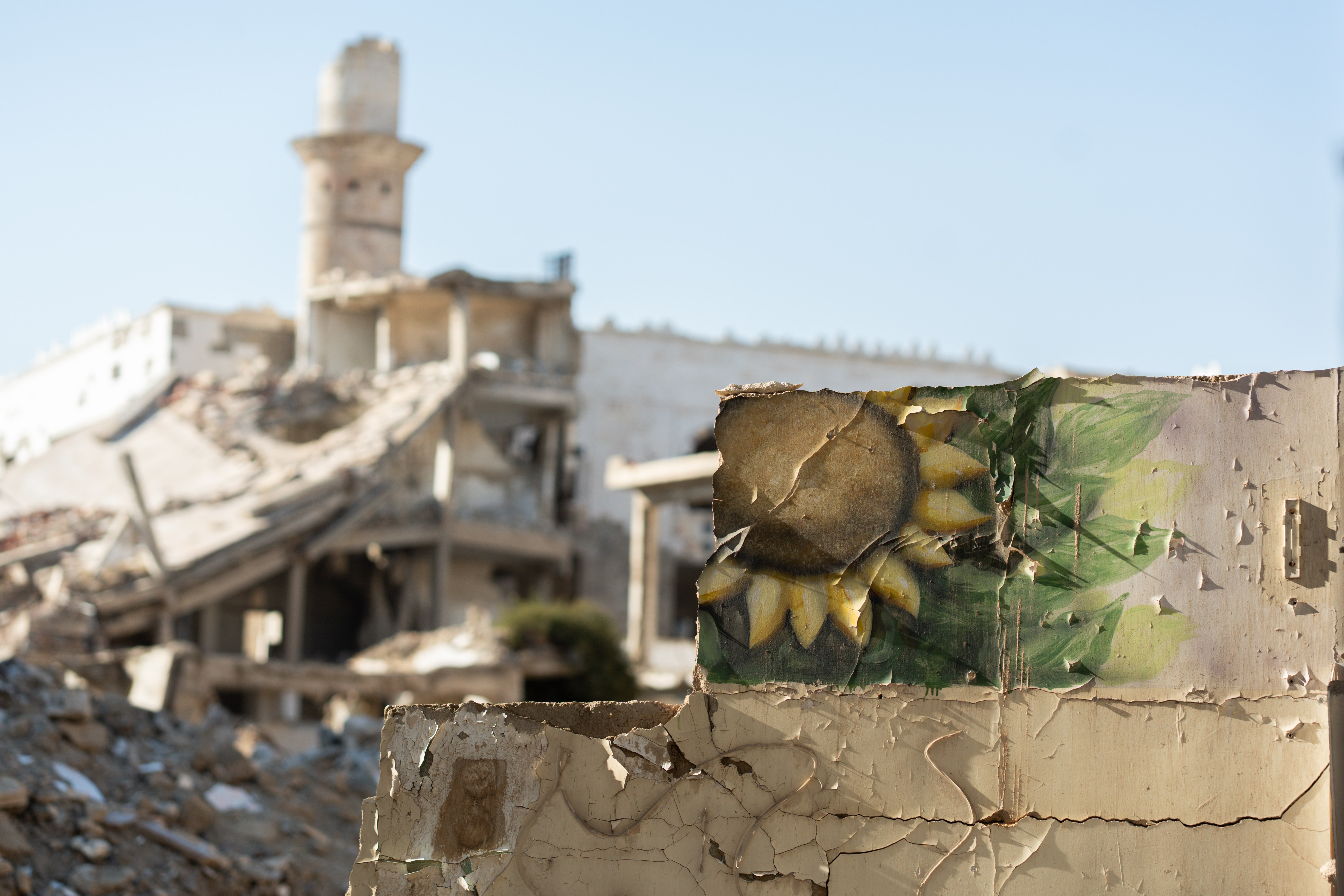
Damaged buildings and a painted sunflower.

Understand distress without reducing people to it.

War, violence, loss and repeated displacement can have lasting effects on mental health and social relationships. Anxiety, depression and trauma-related difficulties, including post-traumatic stress disorder, can affect those who have lived through these experiences. Safe support, protection, social connection and recognition of existing strengths all matter.

Mental-health care remains difficult to access in many places.

The need for psychological support in Syria is substantial, but existing services cannot adequately meet it in many places. Care is not comparable to the German system of established practices, clinics and regular services. Protracted crises, damaged infrastructure and limited resources create further barriers. At the same time, local professionals, primary care, schools, community programmes and organisations are working to expand mental-health and psychosocial support. The need for reliable local and professionally supported care remains substantial.

Women, children and adolescents need accessible spaces.

Women, children and adolescents do not experience conflict and displacement in the same way. Care work, gender-based violence, interrupted education, poverty and restrictions on movement can make help harder to reach. Children and young people need age-appropriate, safe and confidential support that protects their rights and involves families and communities where appropriate.

Local expertise is the starting point.

Nafas does not seek to replace professionals or organisations in Syria. It brings knowledge from the Syrian diaspora and from psychology and psychotherapy in Germany into a culturally responsive dialogue with local experience. Support should be co-developed, strengthen existing networks and reach people where they need it.

Knowledge moves both ways.

Local professionals and communities, the Syrian diaspora and academic partners in Germany contribute different perspectives. Nafas understands collaboration as mutual professional exchange: scientifically grounded, culturally adapted and responsibly rooted in Syria.

Sources and further information